Erection Quality: When Things Don’t Feel the Same
For many men, erection issues don’t show up overnight — they creep in gradually.
It might start with a one-off night where things don’t quite work. Then it happens again. Before long, something that used to feel automatic now comes with hesitation, pressure, and a quiet question in the back of your mind: “What’s going on?”
Erectile dysfunction (ED), or reduced erection quality, is far more common than most men realize. While it can feel personal and even isolating, the reality is that millions of men experience it at some point in their lives. And in most cases, it’s not random — it’s your body signaling that something needs attention.
The encouraging part? Once you understand what’s behind it, there are clear and effective ways to improve it.
What Erectile Dysfunction Really Means
Erectile dysfunction is usually defined as the inability to achieve or maintain an erection firm enough for satisfying sexual activity. But in real life, it often shows up in more subtle ways.
Some men notice their erections aren’t as firm as they used to be. Others find it difficult to maintain one, or experience inconsistency where everything works fine one time and not the next. These changes can be frustrating, especially because they often trigger self-doubt before anything else.
Occasional issues are completely normal. Stress, fatigue, or even distraction can affect performance from time to time. But when the problem becomes frequent or starts to affect confidence, it’s worth looking a little deeper.
How Common Is It — And Should You Be Concerned?
Erection problems are incredibly common, and they can affect men at almost any stage of life. While the likelihood increases with age, ED is not simply “part of getting older.” It’s usually connected to underlying physical or psychological factors that can often be improved.
In fact, many experts now view erection quality as a reflection of overall health — particularly cardiovascular health. Because erections rely on strong, consistent blood flow, difficulties in this area can sometimes show up before other symptoms of heart-related issues.
That doesn’t mean every case is serious — but it does mean it’s something worth paying attention to rather than ignoring.
The Physical Side: What’s Happening in the Body
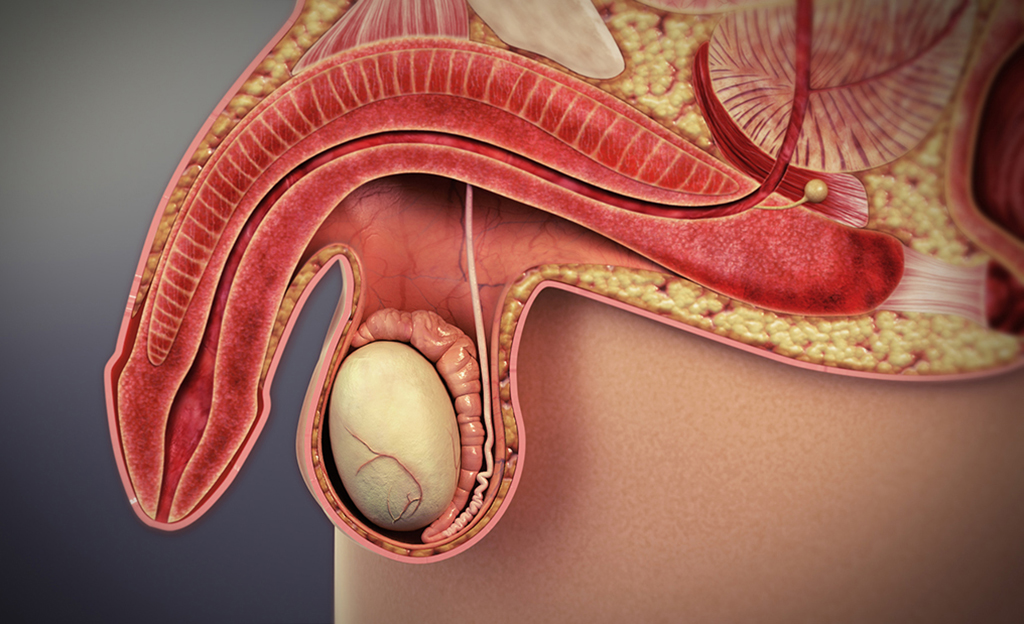
In most cases, erection problems have a physical component at their core. The body relies on a complex interaction between blood vessels, nerves, hormones, and muscles to produce and maintain an erection. When any part of that system is disrupted, performance can be affected.
Conditions like high blood pressure, diabetes, and cardiovascular disease can restrict blood flow, making it harder to achieve or sustain an erection. Hormonal imbalances, particularly low testosterone, can also reduce libido and performance. In some cases, nerve damage from injury or surgery can interfere with the signals required for arousal.
Even when these issues are mild, they can still have a noticeable impact. And because they often develop gradually, many men don’t immediately connect them to changes in erection quality.
Lifestyle Habits That Quietly Affect Performance
One of the most overlooked aspects of erection quality is daily lifestyle.
Habits like smoking, excessive alcohol use, poor sleep, and lack of exercise don’t just affect general health — they directly impact blood flow, hormone levels, and energy. Over time, these small factors add up, often leading to noticeable changes in sexual performance.
Stress is another major player. Chronic stress keeps the body in a heightened state of tension, making it harder to relax into arousal. Even if the body is physically capable, the mental state may not be.
The key thing to understand is that these influences are often reversible. Improving lifestyle habits doesn’t just benefit overall health — it can significantly improve erection quality as well.
The Psychological Loop: When the Mind Gets Involved
Even when the initial cause is physical, the mind tends to step in quickly — and not always helpfully.
After one or two difficult experiences, it’s common for men to start anticipating the problem. That anticipation turns into pressure, which creates anxiety. And anxiety, in turn, makes it harder for the body to respond naturally.
This creates a frustrating cycle:
one bad experience → worry → more difficulty → increased pressure
Performance anxiety, stress, relationship tension, or even general life burnout can all contribute to this loop. Breaking it often requires shifting focus away from performance and back toward comfort, connection, and relaxation.
How Erection Problems Are Diagnosed
If erection issues become consistent, a healthcare provider can help identify what’s going on beneath the surface.
Diagnosis usually starts with a conversation. Medical history, lifestyle habits, and recent changes all provide important clues. A physical exam and basic blood work may also be used to check for underlying conditions such as hormone imbalances, diabetes, or cardiovascular concerns.
In some cases, psychological factors are also explored, especially if stress or anxiety appears to be playing a role. The goal isn’t just to label the problem — it’s to understand the full picture so the right solution can be applied.
What Actually Helps Improve Erection Quality
Improving erection quality isn’t about finding a single “quick fix.” It’s about addressing the factors that are contributing to the issue.
For many men, the biggest improvements come from simple but consistent changes. Regular physical activity helps improve blood flow and cardiovascular health. Better sleep supports hormone balance. Reducing alcohol intake and quitting smoking can have a direct impact on performance.
Managing stress is equally important. This might involve relaxation techniques, open communication with a partner, or simply removing the pressure to “perform” perfectly every time.
When needed, medical treatments can be very effective. Oral medications like Viagra or Cialis help improve blood flow and are often the first step. In other cases, addressing hormone levels or underlying health conditions can make a significant difference.
The most effective approach is usually a combination of these strategies rather than relying on just one.
A Word on Supplements and “Natural” Remedies
There’s no shortage of supplements claiming to boost erection quality.
While some may offer mild support, the results are often inconsistent, and not all products are well-regulated. It’s important to approach these options with a healthy level of skepticism, especially when claims seem exaggerated.
If you’re considering supplements, it’s always a good idea to do some research and, if possible, speak with a healthcare provider to ensure safety and compatibility.
When It’s Time to Seek Help
It’s easy to put off dealing with erection problems, especially when they feel occasional or manageable. But if the issue becomes persistent, it’s worth taking seriously.
If erection difficulties are happening regularly, affecting confidence, or creating strain in a relationship, speaking with a healthcare provider is a smart step. Not only can it lead to effective treatment, but it can also uncover underlying health issues that might otherwise go unnoticed.
This Is Common — and It’s Fixable
Erection problems can feel frustrating, confusing, and deeply personal. But they’re also one of the most common sexual health challenges men face.
More importantly, they’re often highly treatable.
Understanding what’s causing the issue is the first step. From there, small changes, the right support, and, when needed, medical guidance can make a real difference.
You’re not alone in this — and in most cases, things can improve more than you might expect.